
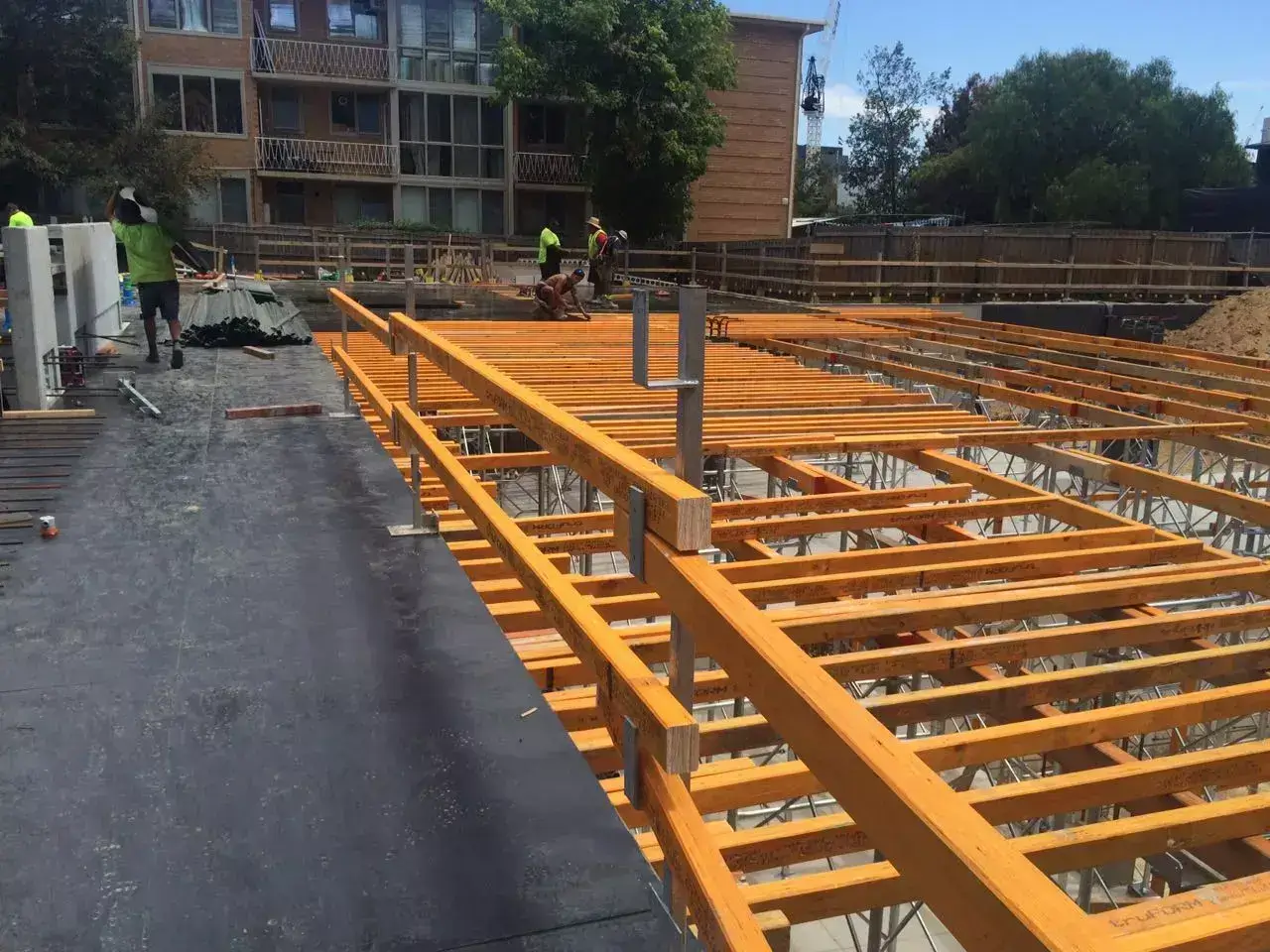
What is the Best Formply in Australia and Why is it Important for Construction?
Formply is an essential part of construction in Australia. It is a type of engineered wood product that is used as a support system for pouring concrete. Formply has a special coating made of phenolic resin, which makes it strong and waterproof. This coating also gives the finished concrete surface a smooth appearance.
Key Features of Quality Formply:
- High-strength plywood core
- Water-resistant phenolic coating
- Multiple reuse capability
- Smooth concrete finish delivery
- Australian Standards compliance
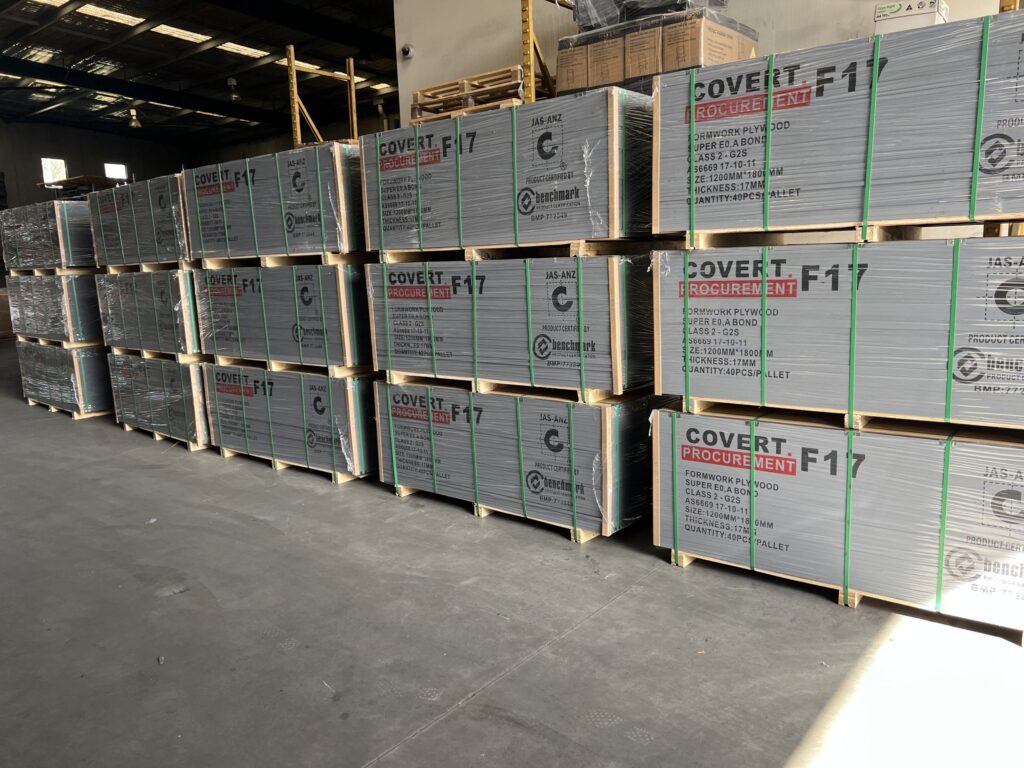
The best Formply in Australia provides excellent performance for various concrete projects, ranging from residential foundations to large commercial developments. Here are some examples of where you can find Formply being used:
- Concrete walls
- Building foundations
- Bridge supports
- Column structures
- Underground parking facilities
Construction professionals in Australia depend on the versatility and durability of Formply to achieve precise concrete pours. Its lightweight yet strong design allows for easy handling on construction sites while still ensuring stability during the pouring process.
This guide will help you understand how to choose and use of best Formply Australia effectively in your construction projects. We will discuss important factors such as different grades and sizes available, specific applications suited for each type, as well as installation techniques that guarantee optimal results across various building scenarios.
What is Formply and Why is it Important in Construction?
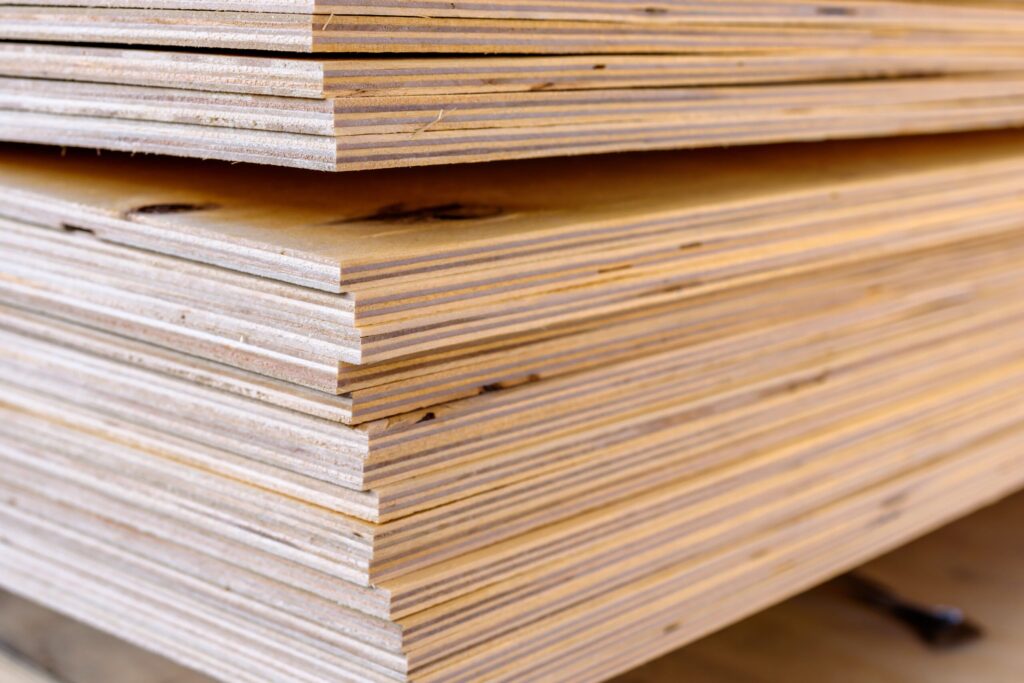
Formply is a type of plywood specifically designed for construction purposes. It is made by layering multiple sheets of wood veneer and bonding them together with a strong adhesive called phenolic resin. What sets high-quality formply apart is its special surface layer known as High-Density Overlay (HDO), which is also made with phenolic resin. This HDO layer gives formply its smooth and durable finish.
The Composition of Formply
Formply is made up of several key components:
- Cross-laminated wood veneers (usually 7-13 layers)
- Phenolic resin adhesive used between the layers
- HDO surface coating applied to both sides
- Sealed edges to prevent moisture from entering
The Benefits of Formply’s Unique Construction
This specific way of building formply offers several advantages when it comes to resisting water and lasting durability:
Learn more on: Reo Bar Basics: Sizes, Types, and Uses in Concrete Reinforcement
- Prevents concrete from leaking during pouring
- Stays stable in shape even under pressure
- Creates smooth surfaces on concrete finishes
- Allows for multiple uses before needing replacement
- Can withstand harsh weather conditions
How HDO Surface Enhances Performance
The HDO surface plays a crucial role in how formply interacts with concrete. When poured, the phenolic resin in the HDO layer forms both a chemical bond and mechanical bond with the concrete. This means that once the concrete has cured, the two materials can easily separate without any damage or residue left behind.
Why Formply is Essential for Professional Concrete Finishes
This unique property makes formply an essential tool for achieving high-quality and professional-looking concrete finishes in construction projects across Australia.
Water Resistance Properties Explained
The water-resistant qualities of formply come from the treatment process involving phenolic resin. During manufacturing, this resin seeps deep into the wood fibres, creating a protective barrier against moisture while still allowing the plywood to bear heavy loads without losing its shape or strength.
What Are the Different Grades of Formply Available in Australia?
Australian formply grades follow strict AS/NZS 6669 standards, with structural ratings ranging from F14 to F27. Each grade indicates specific strength characteristics and load-bearing capabilities.
F14 Grade
- Entry-level structural rating
- Suitable for light-duty applications
- Common in residential construction
- Minimum bending strength of 14 MPa
F17 Grade
- Mid-range structural performance
- Popular choice for commercial projects
- Bending strength of 17 MPa
- Enhanced durability compared to F14
F22 Grade
- High-strength structural rating
- Used in heavy-duty applications
- Bending strength of 22 MPa
- Superior load-bearing capacity
F27 Grade
- Premium structural performance
- Ideal for critical infrastructure
- Maximum bending strength of 27 MPa
- Highest durability rating
The grade selection impacts your project’s structural integrity, with higher grades offering increased strength and reliability. Your choice should align with specific load requirements and project specifications. Find more about reliability on https://www.utmb.edu/pedi_ed/adapt/Los/Understanding%20Reliability%20and%20Validity%20Wimba/page_05.htm
What Sizes and Thicknesses Does Formply Come In?
Australian formply sheets come in standardised dimensions to meet construction industry requirements. The most common sheet sizes include:
Standard Sheet Dimensions:
- 2400mm x 1200mm – Most popular size for commercial projects
- 1800mm x 1200mm – Preferred for residential applications
- 2700mm x 1200mm – Used in specialised construction work
Available Thicknesses:
- 12mm – Light-duty applications
- 17mm – Standard residential formwork
- 19mm – Commercial construction
- 25mm – Heavy-duty industrial projects
The 17mm thickness represents the most versatile option, balancing strength and cost-effectiveness. Sheet sizes can be custom-cut to specific dimensions, though this may affect the structural integrity and load-bearing capacity of the formply.
Weight Considerations:
- 17mm sheets (2400 x 1200): approximately 40kg
- 25mm sheets (2400 x 1200): approximately 58kg
These standardised dimensions allow for efficient material planning and reduced waste on construction sites. The uniform sizes also enable seamless integration with other construction materials and systems.
How Does Material Composition Affect Formply Performance?
The material composition of formply directly impacts its strength, durability, and surface finish quality. Australian manufacturers use two primary veneer types:
Mixed Hardwood Veneers
- Superior strength characteristics
- Higher density composition
- Enhanced load-bearing capacity
- Natural resistance to wear
- Ideal for heavy-duty applications
Radiata Pine Veneers
- Lighter weight construction
- Consistent grain pattern
- Cost-effective option
- Suitable for standard formwork
- Easier handling on-site
The phenolic resin overlay creates a moisture-resistant barrier, bonding with the wood fibres to form a protective shield. Australian-made formply uses A-bond adhesives, meeting AS/NZS 2754.1 standards for structural applications. This adhesive system ensures: Click here to find more about moisture.
- Maximum water resistance
- Strong inter-layer bonding
- Minimal delamination risk
- Extended reuse potential
The number and thickness of veneer layers also influence performance, with higher-grade formply featuring more uniform layering and fewer core gaps. This structural composition determines the panel’s ability to withstand concrete pressure and maintain shape during curing.
Which Applications Are Best Suited for Each Grade of Formply?
Different Formply grades serve specific construction purposes in Australia’s building industry. Here’s how each grade matches its ideal application:
F27 Grade Applications
- Heavy-duty concrete formwork in high-rise buildings
- Bridge construction and infrastructure projects
- Critical load-bearing structures
- Marine construction environments
F22 Grade Applications
- Commercial building foundations
- Medium-rise construction projects
- Retaining walls
- Underground parking structures
F17 Grade Applications
- Residential concrete slabs
- Light commercial construction
- General formwork applications
- Interior concrete features
F14 Grade Applications
- Non-structural uses
- Temporary hoarding
- Site protection
- Basic concrete forming
The higher-grade F22 and F27 panels deliver superior strength and durability for demanding structural applications. These grades withstand increased concrete pressure and multiple reuses. Your choice of Formply grade directly impacts project safety, concrete finish quality, and construction efficiency.
How Does Proper Installation Affect LVL Formwork Performance?
LVL (Laminated Veneer Lumber) formwork installation plays a crucial role in achieving optimal structural performance and cost efficiency in construction projects. The proper integration of LVL with Formply creates a robust system capable of handling significant concrete loads.
Key Installation Requirements:
- Secure all LVL beams at recommended spacing intervals (typically 400-600mm)
- Align vertical supports precisely to distribute weight evenly
- Install cross-bracing to prevent lateral movement
- Use appropriate fixings and connectors rated for structural applications
The combination of LVL and Formply delivers several advantages:
- Enhanced Load Capacity: LVL’s engineered structure provides superior strength-to-weight ratio
- Reduced Material Usage: Proper spacing maximises efficiency while maintaining structural integrity
- Minimal Deflection: Correct installation prevents concrete surface imperfections
- Cost Benefits: Extended reuse potential through proper handling and installation
The selection of appropriate LVL beam sizes depends on:
- Concrete pour height and pressure
- Span requirements
- Project-specific load calculations
- Site conditions and access requirements
Proper LVL installation techniques significantly impact the quality of finished concrete surfaces and the overall project timeline.
What Are the Maintenance Requirements for Prolonging Formply Lifespan?
Proper maintenance of Formply panels directly impacts their lifespan and reusability in construction projects. The phenolic surface requires specific care to maintain its effectiveness:
Essential Storage Practices
- Store panels flat on a level surface
- Keep away from direct sunlight
- Maintain dry conditions with proper ventilation
- Use protective covers during extended storage
On-Site Care Tips
- Clean panels immediately after each use
- Remove concrete residue before it sets
- Apply release agent evenly before each pour
- Inspect for damage between uses
Surface Protection Methods
- Avoid dragging materials across the surface
- Use designated lifting points
- Protect edges during transport
- Repair minor surface damage promptly
Proper handling between pours significantly extends panel life. Damaged phenolic surfaces lead to concrete adhesion and poor finish quality. Regular inspection helps identify wear patterns and potential failure points before they compromise structural integrity.
The investment in proper maintenance practices yields substantial returns through increased panel reuse cycles and consistent concrete finish quality.
How Do Reo Bars Complement the Use of Formply in Reinforced Concrete?
Reo bars are an essential part of reinforced concrete structures, working hand in hand with Formply-created concrete forms. These steel reinforcement bars provide crucial tensile strength to concrete structures, stopping cracks and structural failure when under pressure.
Key Functions of Reo Bars in Formply Construction:
- Create a strong internal framework that spreads out structural loads
- Improve concrete’s ability to resist bending and flexing forces
- Stop thermal cracking during the curing process of concrete
The placement of reo bars within Formply frameworks needs careful spacing and positioning. Standard practice in Australian construction requires:
- A minimum concrete cover of 40mm for areas exposed to the elements
- Bar spacing according to structural engineering specifications
- Secure tie-wire connections at intersections
When reo bars are installed correctly and high-quality Formply is used, it results in a better finish for the concrete. This combination creates structures that comply with Australian building codes while also being durable in tough environmental conditions.
For construction projects near the coast, it’s important to choose reo bars that resist rust. These special bars protect against corrosion caused by salt air, which helps prolong the lifespan of the infrastructure when used with water-resistant Formply formwork.
What Are the Benefits of Using Chain & Shade Mesh Alongside Formply?
Chain and shade mesh serve as essential protective elements in Australian construction sites where Formply installations are present. These versatile materials offer strategic coverage options:
50% Coverage Mesh
- Allows balanced airflow while maintaining visibility
- Reduces dust migration between work zones
- Creates comfortable working conditions in hot weather
- Provides basic debris containment
90% Coverage Mesh
- Delivers superior protection against harsh UV rays
- Blocks wind-driven rain from affecting Formply surfaces
- Minimises visual disruption to surrounding areas
- Enhances site security and privacy
The mesh systems attach directly to existing scaffolding or dedicated support structures, creating a protective envelope around Formply installations. This integration helps:
- Prevent unauthorised access to forming areas
- Reduce noise transmission to neighbouring properties
- Maintain consistent concrete curing conditions
- Shield workers from adverse weather conditions
Australian construction standards recommend using high-quality UV-stabilised mesh materials rated for local climate conditions. These materials typically last 2-3 years under normal site exposure, making them cost-effective additions to Formply protection strategies.
Which Brands Offer the Best Quality Formply Products in Australia?
Australian construction professionals trust several established formply manufacturers for their proven track record of quality and reliability. Armourform stands out as a leading brand, backed by rigorous EWPAA (Engineered Wood Products Association of Australasia) certification.
The Australian market features these trusted formply manufacturers:
- Armourform: Specialises in F17 and F27 grades with superior phenolic coating
- Carter Holt Harvey: Known for consistent veneer quality and structural performance
- Big River Group: Produces premium marine-grade formply
- Austral Plywoods: Manufactures custom-sized panels for specific project requirements
These manufacturers maintain strict quality control through:
- Regular third-party testing
- EWPAA compliance audits
- Manufacturing process monitoring
- Raw material sourcing verification
The EWPAA certification scheme ensures these brands meet Australian Standards AS/NZS 6669, guaranteeing structural integrity and performance reliability. Each manufacturer provides detailed technical specifications and load tables for their formply products, helping you select the right grade for your specific construction needs.
Making the Right Choice for Your Construction Project
Choosing the right formply for your construction project is a crucial decision that affects both the strength of the structure and the overall success of the project. It’s important to select a formply grade, whether it’s F14 or F27, that suits your specific needs.
Key considerations for optimal formply selection:
- Match the structural rating to your project’s load-bearing needs
- Consider the required number of reuses for cost-effectiveness
- Assess the environmental conditions at your construction site
- Factor in the concrete finish quality requirements
- Evaluate the total project budget against long-term durability benefits
The Australian construction industry requires top-notch formply that meets strict standards. When you invest in the right grade and specification of formply, it directly impacts:
- How efficiently your project timeline runs
- How well you manage construction costs
- Whether you comply with workplace safety regulations
- The quality of the final concrete finish
- Your goals for environmental sustainability
Remember: The best formply choice isn’t always the highest grade or most expensive option – it’s the one that precisely matches your project’s specific requirements while delivering optimal performance within your budget constraints.
Take time to assess your project needs, consult with suppliers, and review technical specifications. This careful approach to formply selection helps ensure successful project outcomes and maintains Australia’s high construction standards.