

What are Reo Bars and Why Are They Important in Concrete Reinforcement?
Reo bars, also known as reinforcement bars or rebars, are an essential component of modern construction. These steel bars are embedded within concrete structures to enhance their tensile strength and structural integrity.
Key Functions of Reo Bars:
- Prevent concrete cracking under tension
- Distribute structural loads evenly
- Increase resistance to bending forces
- Enhance durability of concrete structures
- Provide stability during temperature changes
Concrete is strong under compression but weak under tension. Reo bars address this limitation by creating a composite material that combines the compressive strength of concrete with the tensile properties of steel.
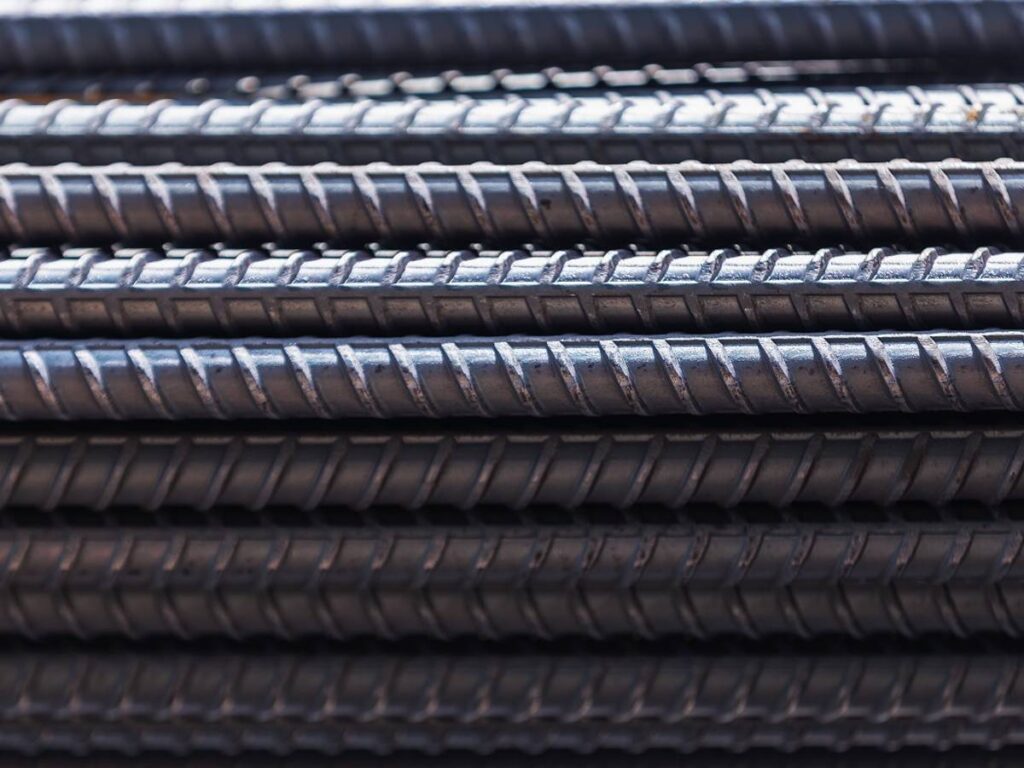
The use of reo bars turns regular concrete into reinforced concrete, allowing structures to:
- Support heavier loads
- Span larger distances
- Withstand natural forces like earthquakes
- Maintain structural integrity over time
- Adapt to environmental stresses
For construction professionals and engineers, knowing the basics of reo bars is crucial. The choice and application of suitable reinforcement directly affect:
- Building safety
- Project lifespan
- Construction expenses
- Structural performance
- Compliance with building regulations
A proper understanding of reo bar characteristics helps ensure successful construction results and safe, long-lasting structures that endure through time.
read more at: Best Formply in Australia: Grades, Sizes, and Applications Explained
How Do Different Reo Bar Sizes Affect Tensile Strength in Concrete Structures?
Reo bar sizes play a crucial role in determining the tensile strength of concrete structures. The size selection directly impacts the structure’s load-bearing capacity and durability.
Standard Reo Bar Size Range:
- #3 (10mm) – Suitable for light residential work
- #4 (12mm) – Common in residential foundations
- #5 (16mm) – Standard for commercial construction
- #6-#8 (19-25mm) – Heavy commercial and industrial use
- #9-#18 (29-57mm) – Specialised infrastructure projects
The cross-sectional area of reo bars increases with size, affecting their tensile strength capacity. A #3 bar can withstand approximately 7,000 pounds of tension, while a #18 bar handles up to 261,000 pounds.
Size Selection Factors:
- Building type and purpose
- Expected load requirements
- Structural element dimensions
- Local building codes
- Cost considerations
The tensile strength contribution of reo bars to concrete structures depends on:
- Bar DiameterLarger diameters provide greater tensile strength
- Increased resistance to bending and shearing forces
- Better load distribution across concrete sections
- Spacing RequirementsSmaller bars need closer spacing
- Larger bars allow wider spacing
- Optimal spacing prevents concrete cracking
- Application-Specific NeedsSlabs: #3-#6 bars common
- Columns: #6-#11 bars typical
- Foundations: #5-#9 bars standard
- Bridges: #8-#18 bars necessary
The relationship between bar size and concrete strength isn’t linear. Doubling the bar diameter quadruples the cross-sectional area, significantly increasing tensile strength capacity. This relationship makes size selection critical for structural integrity and cost-effectiveness in construction projects. Learn more about effectiveness on https://pmc.ncbi.nlm.nih.gov/articles/PMC8150058/
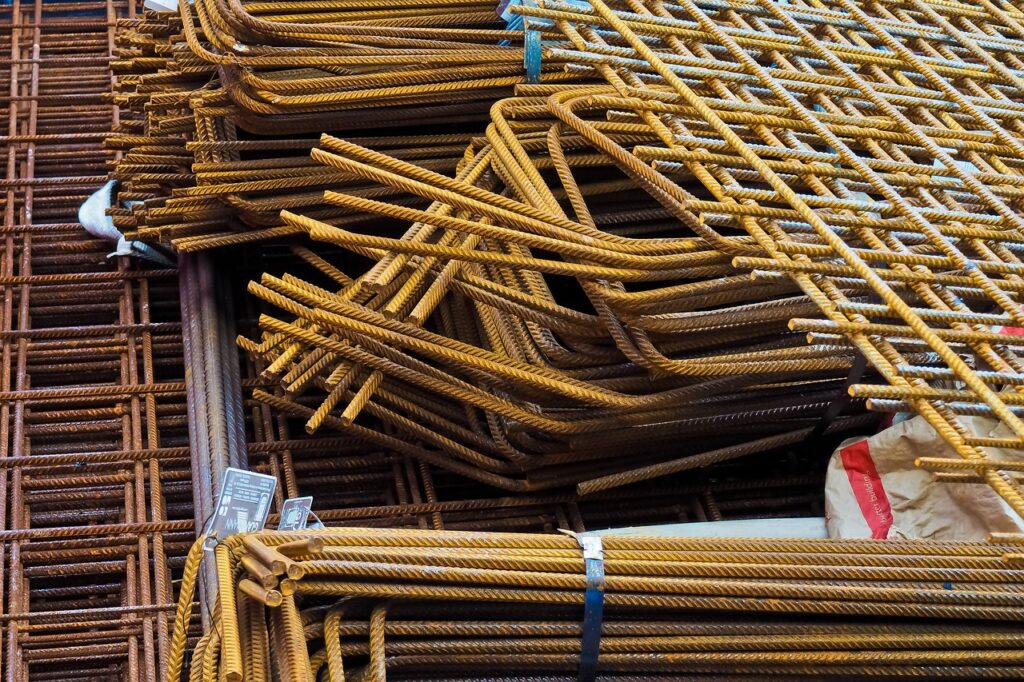
What Types of Reo Bars Are Available and How Do They Differ?
Reo bars come in several distinct types, each engineered for specific construction requirements and environmental conditions. Here’s a detailed look at the main varieties:
1. Carbon Steel Reo Bars
- Standard black steel bars
- Cost-effective option for most construction projects
- Suitable for indoor applications
- Limited corrosion resistance without additional protection
2. Epoxy-Coated Reo Bars
- Green or purple protective coating
- Enhanced corrosion resistance
- Ideal for coastal structures
- Requires careful handling to prevent coating damage
3. Galvanized Reo Bars
- Zinc-coated steel bars
- Superior protection against rust
- Excellent for marine environments
- Higher cost than standard carbon steel
4. Stainless Steel Reo Bars
- Premium corrosion resistance
- Ideal for harsh chemical environments
- Extended service life
- Highest cost option
- Used in critical infrastructure projects
5. Glass Fibre Reinforced Polymer (GFRP) Bars
- Non-metallic alternative
- Completely rust-proof
- Lightweight and easy to handle
- Perfect for special applications requiring non-magnetic properties
Each type offers different levels of corrosion resistance:
- Stainless Steel: Highest resistance
- GFRP: Complete immunity to rust
- Galvanized: High resistance
- Epoxy-Coated: Moderate to high resistance
- Carbon Steel: Basic resistance
Specialised Applications
Stainless steel bars are used in hospital MRI rooms, GFRP bars are utilised in marine structures, galvanized bars are employed in bridge decks, epoxy-coated bars are implemented in highway infrastructure, and carbon steel bars are commonly found in standard building construction.
The choice of reo bar type significantly impacts project longevity and maintenance requirements. Environmental factors like humidity, salt exposure, and chemical presence should guide your selection.
How Do Yield Strength Grades Influence Rebar Performance?
Yield strength grades play a vital role in determining a rebar’s ability to withstand stress before permanent deformation occurs. These grades, measured in megapascals (MPa) or pounds per square inch (psi), directly impact the structural integrity of concrete constructions.
Common Yield Strength Grades:
- Grade 40 (280 MPa): suitable for residential construction, used in light commercial buildings, cost-effective for low-stress applications
- Grade 60 (420 MPa): standard choice for commercial construction, ideal for high-rise buildings, provides enhanced load-bearing capacity
- Grade 75 (520 MPa): used in specialised construction projects, perfect for heavy industrial structures, offers superior stress resistance
The higher the grade number, the greater the rebar’s ability to resist deformation under pressure. This resistance directly affects the structural performance of reinforced concrete elements.
Stress Tolerance Impact:
- Lower-grade rebars (Grade 40) deform at approximately 40,000 psi
- Mid-range options (Grade 60) withstand up to 60,000 psi
- High-strength variants (Grade 75) maintain integrity beyond 75,000 psi
Engineers select specific grades based on:
- Building codes and regulations
- Project load requirements
- Cost considerations
- Structural design specifications
The choice of yield strength grade influences:
- The amount of reinforcement needed
- Construction costs
- Long-term structural durability
- Safety margins in design calculations
What Are the International Standards Governing Reo Bar Specifications?
Quality control in rebar production relies on stringent international standards that specify requirements for chemical composition, mechanical properties, and dimensional tolerances. These standards ensure consistent performance and safety across construction projects worldwide. Click here to find more about chemical.
Key International Standards for Rebar Production:
- ASTM A615 (United States): Defines standard specifications for deformed carbon-steel bars, sets requirements for yield strength, tensile strength, elongation, and specifies chemical composition limits.
- ASTM A706 (United States): Focuses on low-alloy steel deformed bars, ensures weldability for seismic applications, controls chemical composition for enhanced ductility.
- BS 4449 (United Kingdom): Establishes requirements for carbon steel reinforcement bars, details specifications for cut and bent bars, includes provisions for quality assurance testing.
- CSA G30.18 (Canada): Outlines specifications for billet-steel bars, defines mechanical property requirements, includes provisions for bend testing.
- ASTM A955 (International): Specifies requirements for stainless steel reinforcing bars, details corrosion resistance requirements, sets standards for mechanical properties.
These standards work alongside local building codes and regulations. Construction projects must follow region-specific requirements while also complying with international standards. Regular testing and certification ensure rebar materials meet these established specifications.
The implementation of these standards has led to significant improvements in construction safety and durability. Testing laboratories worldwide use these guidelines to verify rebar quality through various methods, including tensile testing, bend testing, and chemical analysis.
How Do Placement, Spacing, and Environmental Factors Impact Reo Bar Selection?
Proper placement and spacing of reo bars directly influence the structural integrity of concrete reinforcement. The effectiveness of reinforcement depends on precise positioning techniques and environmental considerations.
Critical Spacing Requirements:
- Minimum spacing: 25mm or bar diameter (whichever is greater)
- Maximum spacing: 300mm for main bars
- Cover depth: 20-75mm based on exposure conditions
Placement Factors:
- Load distribution requirements
- Concrete member thickness
- Structure type (beam, column, slab)
- Construction joint locations
- Stress concentration points
Environmental conditions play a vital role in reo bar selection and placement decisions. Structures exposed to harsh environments require specific considerations:
Coastal Environments:
- Increased concrete cover
- Higher-grade stainless steel bars
- Enhanced protective coatings
- Reduced crack width limits
Chemical Exposure:
- Epoxy-coated bars for chemical resistance
- Additional protective measures
- Increased concrete grade requirements
Temperature Variations:
- Thermal expansion allowances
- Additional reinforcement at stress points
- Modified spacing for extreme conditions
The interaction between reo bars and concrete depends on proper anchoring and development length. You must maintain minimum bend radii and proper lap splice lengths to ensure effective stress transfer. These requirements vary based on:
- Bar diameter
- Concrete strength
- Load conditions
- Structure type
- Environmental exposure
Accurate placement techniques include using proper support systems, chairs, and spacers to maintain position during concrete placement. The stability of the reinforcement cage during concrete pouring affects the final structural performance.
What Are Proper Installation Techniques for Ensuring Effective Reinforcement with Reo Bars?
Proper reo bar installation requires specific tools and techniques to achieve optimal structural integrity. Here’s a detailed breakdown of essential installation practices:
Essential Tools for Installation:
- Rebar bender and cutter
- Wire tying tool
- Steel wire ties
- Measuring tape
- Safety equipment (gloves, safety glasses)
Cutting and Bending Techniques
The cutting process demands precision with either:
- Manual bolt cutters for smaller projects
- Power cutting tools for large-scale installations
- Hydraulic benders for complex angles
Secure Tying Methods
Proper tying ensures reo bars maintain their position during concrete pouring:
- Saddle tie: Creates an X-pattern, ideal for horizontal bars
- Wrap and snap tie: Quick method for vertical bars
- Figure-eight tie: Provides extra stability in critical areas
Position Verification
- Use spacers to maintain correct concrete cover
- Check alignment with string lines
- Verify bar spacing matches structural drawings
- Inspect all connections before concrete pour
Quality Control Checks
- Bar cleanliness (free from rust, oil, dirt)
- Proper lap splice lengths
- Secure tie connections
- Accurate bend angles
- Correct bar positioning as per specifications
These installation practices ensure reo bars perform their reinforcement function effectively within concrete structures.
Where Are Different Types of Reo Bars Commonly Used in Construction Projects?
Reo bars serve specific purposes across different building components, each type optimised for particular structural requirements.
Foundation Applications
- Plain round bars: Used in light residential footings
- Deformed bars: Essential for heavy-duty foundation work
- Epoxy-coated bars: Ideal for foundations in coastal areas
Structural Elements
- High-yield bars: Primary choice for load-bearing columns
- Ribbed bars: Perfect for beam reinforcement
- Welded wire mesh: Common in concrete slab construction
Specialised Areas
- Stainless steel bars: Used in swimming pools, marine structures, and chemical plant foundations
- Galvanised bars: Preferred for bridge decks, multi-storey car parks, and external walkways
Building Components
- N12 bars (12mm): Standard for residential slabs
- N16 bars (16mm): Used in commercial floor systems
- N20-N32 bars: Essential for high-rise buildings, underground structures, and retaining walls
The selection of reo bar type depends on factors like load requirements, exposure conditions, and structural specifications. Each building component demands specific bar configurations to ensure optimal strength and durability.
What Are the Key Takeaways Regarding Structural Requirements and Safety Measures When Using Reo Bars?
Understanding reo bar basics is essential for achieving safe, durable concrete structures. Here are the critical requirements and safety measures you must consider:
Structural Requirements
- Maintain proper concrete cover depths
- Follow specified spacing requirements
- Use appropriate bar sizes for load requirements
- Ensure correct lap lengths at joints
- Implement proper anchoring techniques
Safety Considerations
- Wear protective gear when handling reo bars
- Store bars in dry conditions to prevent rust
- Use proper lifting techniques for heavy bars
- Keep work areas clear of trip hazards
- Follow local building codes and standards
Quality Control
- Inspect bars for defects before installation
- Verify grade markings match specifications
- Document placement and spacing details
- Conduct regular site inspections
- Maintain detailed records of installations
You should always consult qualified engineers or structural experts for specific project requirements. Visit your local building authority’s website or contact professional construction associations for additional guidance on reo bar applications and safety protocols.