

Why Is An Annual Termite Inspection Important For Sydney Properties?
Termites can destroy the structural integrity of your Sydney property within months, causing damage that costs thousands of pounds to repair. These silent invaders work hidden within walls, floors, and foundations, often going undetected until significant harm has already occurred.
An annual termite inspection Sydney serves as your first line of defence against these destructive pests. Without regular professional assessments, termite colonies can compromise load-bearing timbers, weaken floor joists, and damage roof structures—all whilst remaining completely invisible to the untrained eye.
The financial implications extend beyond immediate repair costs. Properties with undisclosed termite damage face:
- Reduced market value during sale negotiations
- Potential rejection of loan applications by financial institutions
- Invalidated insurance claims for structural damage
- Emergency repair expenses that could have been prevented
Booking your annual termite inspection Sydney checklist protects your investment by catching infestations early, when treatment options are less invasive and considerably more affordable. Sydney’s warm, humid climate creates ideal conditions for termite activity year-round, making proactive monitoring essential rather than optional.
Regular inspections provide documented proof of property maintenance, which proves invaluable during property transactions and insurance claims. This preventative approach costs a fraction of what you’d spend addressing advanced termite damage, making it one of the most cost-effective property maintenance decisions available to Sydney homeowners.
What Are The Benefits Of Booking A Professional Termite Inspection In Sydney?
Expert Detection Capabilities
The termite inspection benefits extend far beyond a basic visual check. Professional inspectors utilise:
- Moisture meters to detect dampness within walls and timber structures
- Thermal imaging cameras that reveal temperature variations indicating termite colonies
- Acoustic detection devices that pick up termite movement sounds
- Borescopes for examining wall cavities and inaccessible spaces
These specialised tools identify infestations in roof voids, subfloor areas, and within wall cavities where termites often establish colonies undetected for months or years.
Financial Protection Through Early Detection
The termite damage cost escalates dramatically when infestations remain undetected. A small colony discovered during an annual inspection might require £2,000-£4,000 in treatment, whilst extensive structural damage from years of unchecked activity can exceed £50,000 in repairs.
Property protection becomes particularly critical when considering:
- Structural timber replacement costs ranging from £15,000 to £100,000+ depending on damage severity
- Decreased property value by 10-25% when termite history isn’t properly documented
- Insurance complications, as most policies exclude termite damage from coverage
- Failed property sales due to undisclosed termite issues discovered during buyer inspections
Professional Documentation and Compliance
Licensed inspectors provide comprehensive written reports that satisfy lender requirements during property transactions. These documents detail inspection findings, treatment recommendations, and compliance with Australian Standards AS 3660, creating a verifiable history of property protection measures that reassures buyers, sellers, and financial institutions.
What Does A Comprehensive Termite Inspection Involve?
A comprehensive termite inspection checklist Sydney professionals use follows a systematic three-step approach: inspect, treat if necessary, and protect. Licensed inspectors combine visual assessments with advanced detection technology to uncover both obvious and hidden signs of termite activity throughout your property.
Visual Inspection Components
Inspectors begin by examining all accessible areas of your property, paying particular attention to zones where termites typically establish colonies. The visual assessment covers:
- Exterior perimeter – Foundation walls, external cladding, and any timber-to-ground contact points
- Interior spaces – Skirting boards, door frames, window frames, and built-in cabinetry
- Subfloor areas – Stumps, bearers, joists, and any exposed structural timber
- Roof void – Rafters, roof timbers, and areas around chimneys or plumbing penetrations
- Outdoor structures – Decking, pergolas, fences, and garden sleepers
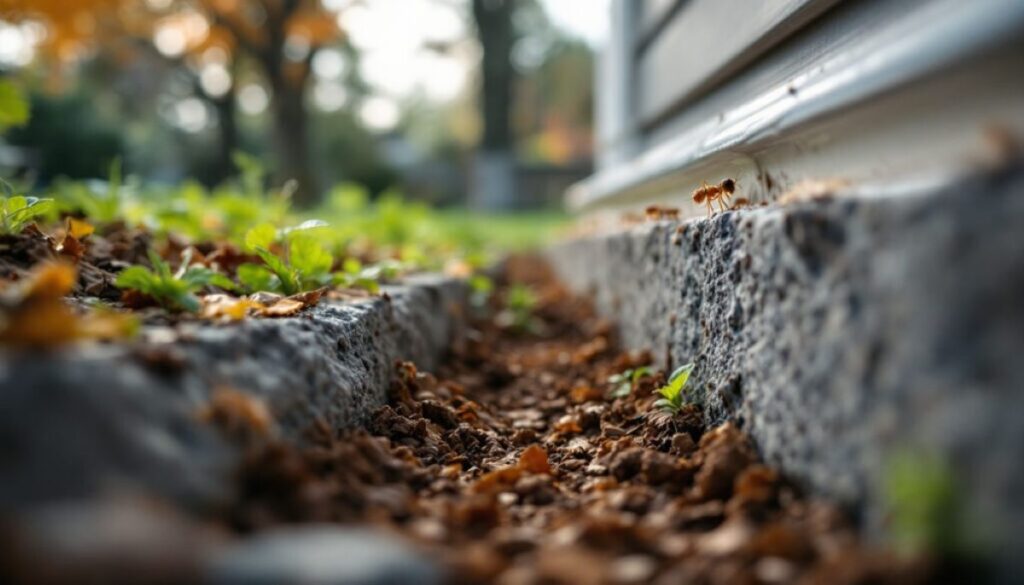
During this examination, inspectors look for telltale signs of termite activity including mud tubes running along walls or foundations, hollow-sounding timber when tapped, discarded wings near windows or doors, and small piles of frass (termite droppings).
Specialized Detection Equipment
Professional inspectors employ sophisticated tools to detect infestations hidden from plain sight. Moisture meters identify areas with elevated moisture levels that attract termites, whilst thermal imaging cameras reveal temperature variations in walls and timber that may indicate active termite colonies. These devices allow inspectors to detect problems behind plasterboard, within wall cavities, and under flooring without causing damage to your property.
Assessment of Existing Protection Systems
A thorough inspection evaluates the condition and effectiveness of any existing termite barriers installed at your property. Inspectors check:
- Physical barriers such as stainless steel mesh or graded stone
- Chemical barriers and their treatment zones
- Reticulation systems and their operational status
- Monitoring stations positioned around the property perimeter
The assessment determines whether these systems remain intact and functional or require maintenance, reapplication, or replacement to maintain adequate protection.
Documentation of Remedial Control Programmes
If previous termite treatments were conducted on your property, it is essential for inspectors to document these remedial control programmes. This information helps them understand the history of termite activity and tailor future treatment plans accordingly.
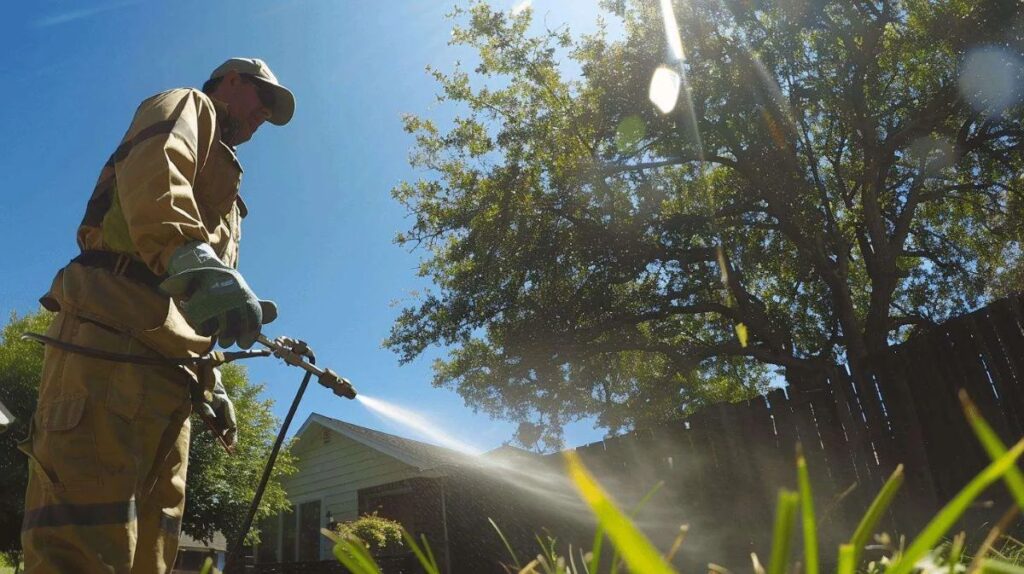
How Can Property Owners Prevent Termite Infestations After An Inspection?
Preventing termite infestations requires immediate action on the recommendations provided in your inspection report. The period following a professional inspection presents the ideal opportunity to address vulnerabilities before termites establish colonies in your property.
What Makes Water Leak Repair Critical For Termite Prevention Sydney?
Moisture attracts termites like a beacon, making water leak repair your first priority. Leaking pipes, dripping taps, and faulty guttering create the damp conditions termites need to thrive. Check under sinks, around hot water systems, and inspect all plumbing fixtures regularly. Roof flashings and damaged tiles often allow water to seep into wall cavities, creating hidden moisture problems that termites exploit.
How Does Subfloor Ventilation Reduce Termite Risk?
Proper subfloor ventilation keeps moisture levels low and creates an inhospitable environment for termites. Install additional vents if your subfloor area feels damp or smells musty. Ensure existing vents remain unblocked by garden beds, stored items, or overgrown vegetation. Air should circulate freely beneath your property to prevent condensation buildup.
Which Timber Materials Should Be Removed From Around Your Property?
Loose timbers, old formwork, tree stumps, and wooden debris provide food sources and concealment for termite colonies. Remove these materials from your property perimeter:
- Leftover building materials stored against walls
- Firewood stacked directly on soil
- Wooden garden edging in contact with foundations
- Dead tree roots and stumps
- Cardboard boxes in storage areas
Why Must Timber-To-Ground Contact Be Eliminated?
Direct contact between timber structures and soil creates termite highways into your property. Fence posts, deck supports, and pergola footings require proper barriers or concrete bases. Garden beds built against weatherboards allow termites to bypass protective treatments. Maintain a minimum 75mm clearance between soil and any timber components of your building.
What Drainage Improvements Protect Against Termites?
Effective drainage directs water away from your foundations, preventing the moisture accumulation that attracts termites. Grade soil to slope away from walls, extend downpipes to discharge water at least 1 metre from the building, and ensure gutters are clean and functional. These measures will help keep your property dry and less appealing to termites.
When Should Property Owners Schedule Their Annual Termite Inspection In Sydney?
The ideal time for scheduling inspections in Sydney is during spring or early summer, when termite activity reaches its peak. Termites become most active between September and March as warmer temperatures and increased humidity create optimal conditions for colony expansion and swarming.
Seasonal considerations for termite inspection timing:
- Spring (September-November): Termite colonies emerge from winter dormancy and begin active foraging, making detection easier
- Summer (December-February): Peak activity period when flying termites swarm to establish new colonies
- Autumn (March-May): Colonies prepare for winter but remain detectable before reduced activity
- Winter (June-August): Lowest activity period, though inspections can still identify existing infestations
Property owners who schedule their best time termite inspection Sydney during the warmer months benefit from observing termites at their most visible. Active termites leave fresh mud tubes, produce audible sounds within walls, and create more obvious damage indicators that inspectors can identify.
Strategic scheduling approaches:
Booking inspections at the same time each year creates a consistent monitoring pattern. Properties inspected in October one year should maintain that October schedule annually, allowing inspectors to compare year-on-year changes and identify emerging patterns.
Properties with previous termite history require more vigilant timing. These homes benefit from inspections scheduled at the start of spring, before colonies can establish significant activity. Early detection prevents minor infestations from developing into major structural threats.
New property owners should arrange their first inspection immediately after settlement, regardless of season. This baseline inspection establishes the property’s current condition and determines the most appropriate ongoing schedule based on risk factors specific to that location.
The best time termite inspection Sydney also depends on property-specific factors. Homes near bushland, with poor drainage, or constructed with timber frames face higher risk and may benefit from inspections scheduled just before peak termite season begins.
Read more about preventing infestation: tips from a rat pest control Sydney specialist.
How Can Annual Termite Inspections Facilitate Smooth Property Transactions In Sydney?
Regular termite inspections create a transparent history that significantly reduces buyer anxiety and speeds up negotiations during property transactions in Sydney. Financial institutions and conveyancers routinely request evidence of pest management during property settlements, making existing inspection records invaluable for demonstrating responsible property maintenance.
What Documentation Do Buyers Expect During Property Transactions?
Prospective buyers typically request termite inspection reports dated within the past 12 months as part of their due diligence process. Properties with documented annual inspections demonstrate proactive maintenance, which can:
- Strengthen buyer confidence in the property’s condition
- Reduce the likelihood of price renegotiations based on pest concerns
- Expedite loan approval processes with financial institutions
- Provide legal protection against future claims of non-disclosure
Banks and mortgage lenders often mandate current pest reports before approving finance, particularly for older properties or homes in high-risk termite zones across Sydney. A comprehensive inspection history eliminates delays in the settlement process.
Why Should Sellers Obtain Pre-Sale Pest Reports?
Sellers who commission annual termite inspections before listing their property gain strategic advantages in negotiations. A clean pre-sale pest report allows vendors to market their property with confidence, whilst identifying any issues provides time to address them before potential buyers discover problems during their own inspections.
Undisclosed termite damage discovered during a buyer’s inspection can derail sales completely or trigger substantial price reductions. Properties sold “as is” without recent pest documentation often attract lower offers, as buyers factor in unknown remediation costs and potential structural risks.
How Do Inspection Records Affect Property Valuations?
Properties with consistent annual inspection records typically maintain higher market values compared to those without documented pest management. Real estate agents report that buyers view regular inspections as evidence of overall property care, creating positive perceptions that extend beyond termite concerns alone.
Licensed inspectors provide detailed reports that outline:
- Current termite activity status (active/inactive/clear)
- Condition of existing termite barriers or protection systems
- Moisture levels and conducive conditions requiring attention
- Recommendations for preventative maintenance
These comprehensive records become part of the property’s maintenance history, similar to building and plumbing certificates, adding tangible value during appraisals.
Conclusion
The importance of annual termite inspection cannot be overstated for Sydney property owners who want to protect their most valuable asset. These regular check-ups serve as your first line of defence against silent destroyers that can compromise your home’s structural integrity within months.
The Booking Your Annual Termite Inspection Sydney Checklist approach transforms reactive panic into proactive protection. By scheduling inspections consistently, you’re not just ticking a box—you’re investing in early detection that saves thousands in potential repair costs. Professional inspectors catch warning signs invisible to untrained eyes, from subtle moisture patterns to hidden mud tubes behind walls.
Property protection Sydney extends beyond the inspection itself. The comprehensive reports you receive become part of your property’s health record, valuable during insurance claims, refinancing applications, and future sales. Licensed inspectors don’t just identify problems; they provide actionable prevention strategies tailored to your specific property conditions.
The three-step process of inspect, treat, and protect creates a continuous shield around your home. Annual inspections ensure any treatment remains effective and barriers stay intact. This ongoing vigilance means termites never get the opportunity to establish destructive colonies.
Sydney’s climate creates ideal conditions for termite activity year-round. Regular inspections adapt to seasonal patterns and changing environmental factors around your property. The modest cost of an annual inspection pales against the catastrophic expense of major structural repairs or the devastating discovery of widespread damage during a pre-sale inspection.
Your property deserves this level of care. Book your annual termite inspection today and join thousands of Sydney homeowners who sleep soundly knowing their investment is protected.
FAQs (Frequently Asked Questions)
Why is an annual termite inspection important for Sydney properties?
An annual termite inspection is crucial for Sydney property owners because termites can cause significant damage if left unchecked, leading to costly repairs and compromised structural integrity. Regular inspections help protect your investment and provide peace of mind.
What are the benefits of booking a professional termite inspection in Sydney?
Professional termite inspectors possess the expertise to identify hidden signs of termite activity that untrained individuals might miss. Early detection helps prevent extensive damage, reduces repair costs, and safeguards property value over time.
What does a comprehensive termite inspection in Sydney involve?
A thorough termite inspection includes visual checks for signs like hollow timber and mud tubes, as well as the use of specialised equipment such as moisture meters and thermal imaging cameras to detect hidden infestations. Inspectors also assess the condition of termite barriers and remedial control programs.
How can property owners prevent termite infestations after an inspection?
After a professional inspection, proactive measures include repairing water leaks, improving subfloor ventilation, removing loose timbers near the house, preventing timber-to-ground contact, maintaining proper drainage, and managing vegetation to reduce the risk of future infestations.
When should property owners schedule their annual termite inspection in Sydney?
Scheduling inspections during optimal times aligned with Sydney’s climate patterns and peak termite activity seasons ensures effective detection. Property owners should consult local guidelines to book their annual termite inspections at the best time.
How do annual termite inspections facilitate smooth property transactions in Sydney?
Regular annual termite inspections provide reassurance to potential buyers or lenders by demonstrating due diligence in pest management. Sellers benefit from obtaining pre-sale pest reports through these inspections, helping avoid surprises or complications related to undisclosed termite issues during transactions.