
This guide explains why coastal properties face elevated risk, what signs to watch for, and how owners can reduce exposure without overcomplicating the process.
Why are termites such a persistent problem in Sydney?
In termite Sydney conditions, the climate supports termite colonies for long stretches of the year, especially when conditions stay warm and damp. Subterranean termites, the main structural threat, rely on moisture and concealed travel paths to reach timber.
In many suburbs, termites are already established in surrounding bushland, parks, and street trees. That means properties may not “attract” termites so much as sit within their existing foraging territory.
Why do coastal properties face higher termite pressure?
Coastal areas tend to hold more humidity, and moisture is a key driver of termite survival and movement. Even when rainfall is moderate, salty air, sea breezes, and shaded microclimates around dense gardens can keep timbers and subfloors slightly damp for longer.
Many coastal homes also have design features that can increase concealment, such as suspended floors, enclosed subfloors, and additions built over time. When ventilation is poor, the subfloor stays humid, which supports termite activity and makes inspections more challenging.
How does humidity and moisture make termite activity worse?
Termites need moisture to avoid drying out, and they actively seek environments where they can travel while staying protected. High humidity reduces the “cost” of movement for them, allowing foraging further and longer.
Coastal properties often deal with hidden moisture sources too. Leaking showers, overflowing gutters, poor site drainage, and air-conditioning condensation lines can create localised wet zones that termites exploit.
Do sandy soils near the coast affect termite risk?
Sandy soils drain quickly, which sounds positive, but it can be a mixed outcome. Drainage may reduce surface pooling, yet sand is easy for termites to tunnel through, helping them build extensive networks.
In some coastal pockets, the bigger issue is not the sand itself but how the plot has been landscaped. Retaining walls, garden beds built up against the home, and imported soil can bridge termite barriers and raise the moisture level right where termites want it.
Why do gardens and vegetation matter more near the coast?
Coastal suburbs often have lush planting, thicker ground cover, and established trees that create shade and hold moisture. Mulch, dense garden beds, and timber sleepers can become “stepping stones” that support termite feeding and concealment.
When garden levels sit above weep holes or cover slab edges, termites can access hidden entry points without being seen. The risk rises further when firewood, timber offcuts, or old stumps are stored close to the house.
How do older coastal homes and renovations increase vulnerability?
Many coastal properties have been renovated multiple times, sometimes with mixed construction styles. Each change can introduce new concealed voids, altered drainage paths, and timber elements closer to soil.
Older homes may also have aged subfloor ventilation, worn ant caps, or previous barrier systems that no longer perform as intended. If records of earlier termite management are missing, owners may not realise where weak points exist.
What are the most common entry points termites use in coastal homes?
Termites typically enter where they can stay hidden and maintain moisture. Common coastal risk zones include subfloors with limited airflow, perimeter gardens built up against walls, and cracks or joints in slabs that connect to damp soil.
They also exploit penetrations for plumbing and electrical services. Bathrooms and laundries are frequent hotspots because small leaks can persist unnoticed, providing both moisture and timber food sources nearby.
What signs suggest termites might already be present?
Termite damage is often silent until it is advanced, so early clues matter. Mud tubes along brickwork, piers, or internal walls are a classic sign, as termites use them to travel while staying protected.
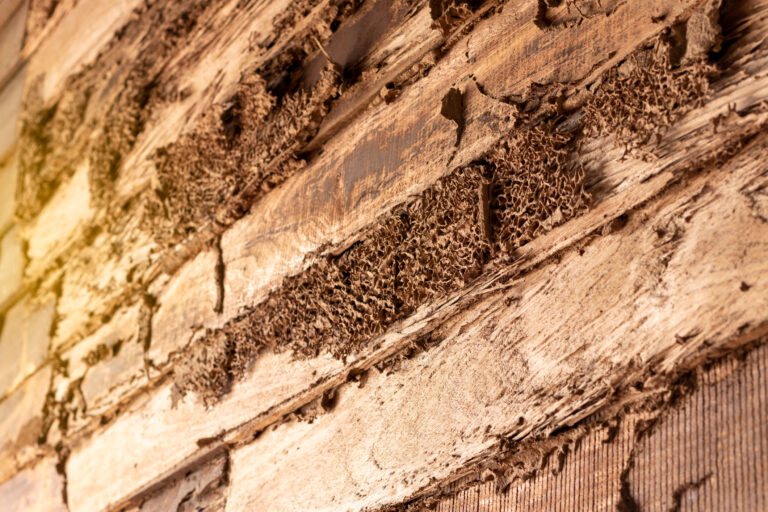
Other indicators include hollow-sounding timber, doors that suddenly stick, blistered paint that resembles water damage, and fine “mud” deposits near skirting boards. If any of these appear, they should be treated as urgent inspection triggers. Click here to get about rat pest control Sydney: 7 signs you have an infestation.
How can coastal owners lower termite risk without major renovations?
They can reduce risk by controlling moisture and improving visibility around the structure. Keeping gutters clear, fixing leaks quickly, and ensuring subfloor vents are unobstructed are simple steps with outsized impact.
They should also maintain clearance: keep soil, mulch, and garden beds below weep holes and away from slab edges, and avoid storing timber against the house. If landscaping is needed, they can choose non-timber edging and leave inspection zones clear.
How often should coastal properties be inspected in Sydney?
Coastal homes are often better served by regular professional inspections because conditions can change quickly with weather, drainage, and vegetation growth. Annual inspections are commonly used as a baseline, but higher-risk properties may benefit from more frequent checks.
They should keep written reports and photos to track changes over time. This makes it easier to spot new moisture issues, barrier breaches, or activity trends before they become expensive repairs.
What is the simplest takeaway for termite protection on the coast?
Coastal termite risk in Sydney is largely a moisture and concealment problem. When owners focus on drainage, ventilation, and clear inspection access, they remove the conditions termites rely on to reach structural timber unnoticed.
The goal is not perfection but consistency: keep the home dry where possible, keep key edges visible, and schedule inspections before small issues become structural damage.
FAQs (Frequently Asked Questions)
Why are termites a persistent problem in Sydney, especially in coastal areas?
Termites are a year-round concern in Sydney due to the city’s warm and damp climate, which supports termite colonies for long stretches. Coastal properties face higher termite pressure because of increased humidity, salty air, sea breezes, and shaded microclimates that keep timbers and subfloors damp longer, creating ideal conditions for termite survival and movement.
How does moisture and humidity contribute to termite activity in coastal homes?
Termites require moisture to avoid drying out and actively seek environments where they can travel while staying protected. High humidity reduces the effort termites need to move, allowing them to forage further and longer. Hidden moisture sources like leaking showers, overflowing gutters, poor drainage, and air-conditioning condensation lines create localised wet zones that termites exploit.
What role do gardens and vegetation play in increasing termite risk near the coast?
Lush planting, dense ground cover, and established trees common in coastal suburbs create shade and retain moisture, which supports termite feeding and concealment. Mulch, garden beds, timber sleepers, and stored timber materials close to the house can act as ‘stepping stones’ for termites to access hidden entry points without detection.
How do older coastal homes and renovations affect termite vulnerability?
Older coastal homes often have multiple renovations with mixed construction styles that introduce concealed voids, altered drainage paths, and timber elements closer to soil. Aged subfloor ventilation, worn ant caps, or outdated barrier systems may no longer be effective. Missing records of previous termite management can leave owners unaware of existing weak points.
What are common signs indicating termite presence in coastal properties?
Early signs include mud tubes along brickwork or internal walls used by termites for protected travel; hollow-sounding timber; doors sticking unexpectedly; blistered paint resembling water damage; and fine mud deposits near skirting boards. These indicators should prompt urgent professional inspections to prevent advanced damage.
What practical steps can coastal homeowners take to reduce termite risk without major renovations?
Homeowners can lower risk by controlling moisture and improving visibility around their property. This includes keeping gutters clear, repairing leaks promptly, ensuring subfloor vents are unobstructed, maintaining soil and mulch levels below weep holes and slab edges, avoiding storage of timber against the house, choosing non-timber landscaping materials near foundations, and scheduling regular professional inspections.